
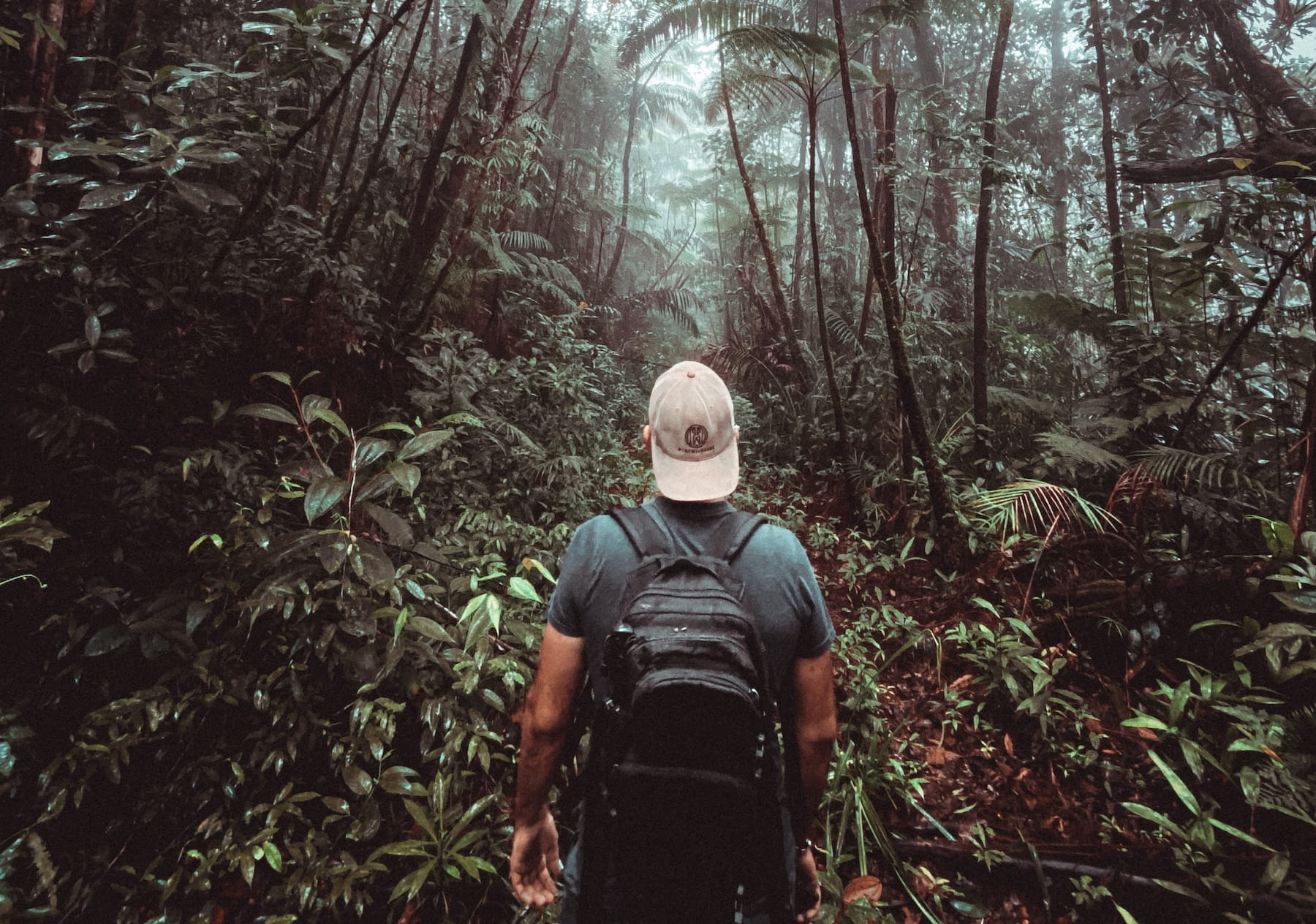
Lessons Learned from Building Protected Areas in Costa Rica
Creating a private conservation reserve is one of the most powerful ways an individual or organization can contribute to biodiversity protection. At Buy Wild, our approach is not theoretical. It is based on direct experience acquired through Las Oncas, where we have purchased land in Costa Rica and transformed it into protected natural reserves, while implementing long-term wildlife monitoring and conservation programs.
This article explains how to choose land with real conservation value, drawing from what has worked and what we have learned on the ground.
Why land selection is the most critical decision
Buying land for conservation is not about aesthetics or isolation. A forest can look pristine and still have low conservation impact. Conversely, a degraded or overlooked parcel can become strategically vital for wildlife survival.
Based on our experience, the ecological value of land depends far more on location, connectivity, and function than on size or visual appeal.
1. Conservation potential comes first
Before considering price or development constraints, evaluate the land’s conservation potential.
From our work with Las Oncas, the most impactful lands share at least one of the following characteristics.
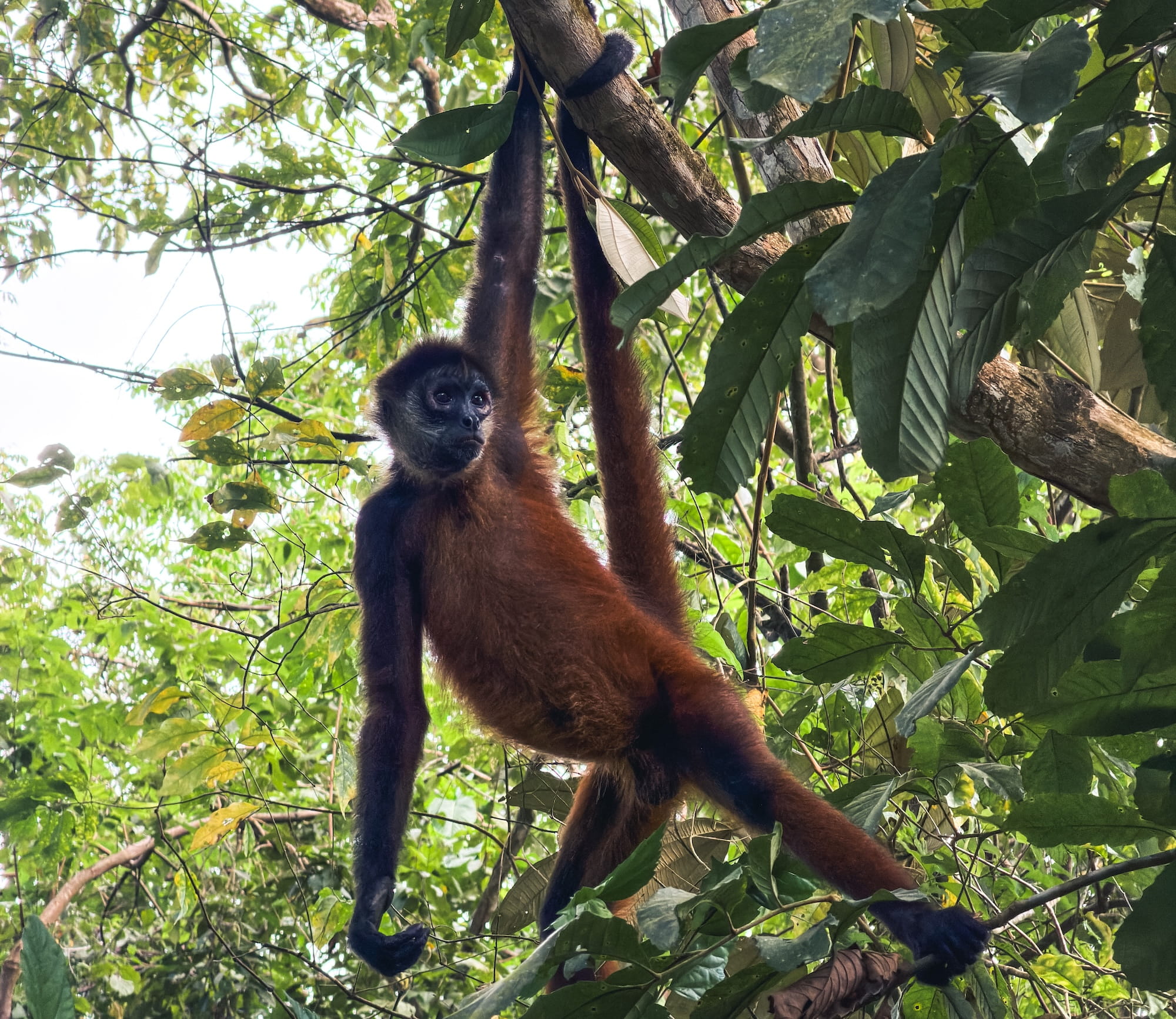
Presence of wildlife or endemic species
Land that already hosts wildlife, especially threatened or endemic species, has immediate conservation value. In Costa Rica, endemic species are often linked to specific altitudes, forest types, or watersheds.
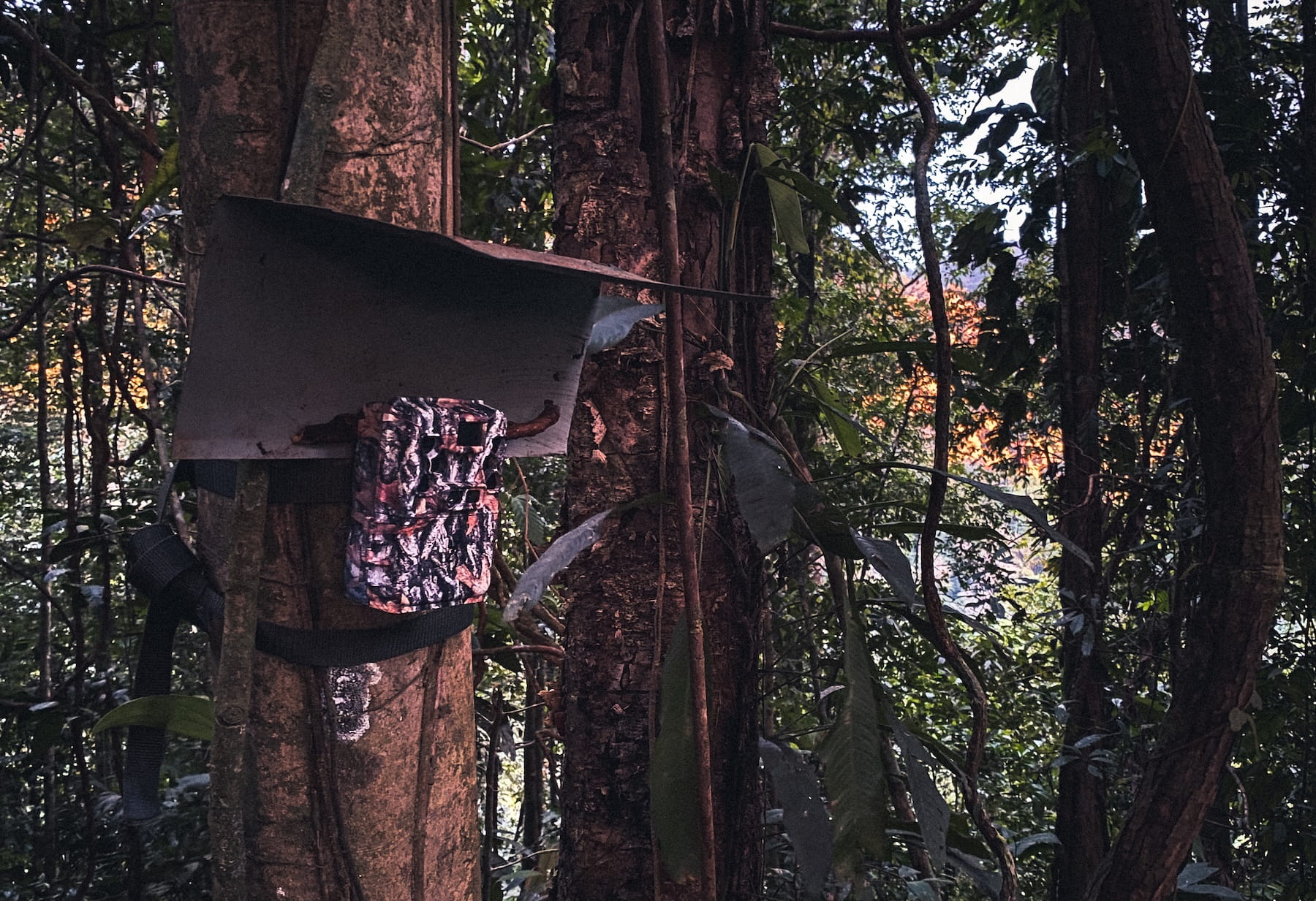
However, the absence of visible wildlife does not mean the land is irrelevant. Camera trap monitoring has shown us that many species use land primarily as transit zones rather than permanent habitat.
Location within a Biological Corridor
One of the highest conservation returns comes from land located inside or adjacent to a biological corridor.
In our case, Las Oncas properties that were acquired or will be acquired in the future were chosen because they help connect fragmented habitats between protected areas. These corridors allow genetic exchange and reduce isolation, which is critical for apex predators and wide-ranging mammals.
Ability to connect two areas of interest
Even small parcels can be strategic if they connect two larger forests, private reserves, or national parks.
We have seen firsthand that land acting as a “missing link” can dramatically increase the ecological value of surrounding areas. This is especially true in regions where agriculture or roads have fragmented the landscape.
Protection of strategic natural elements
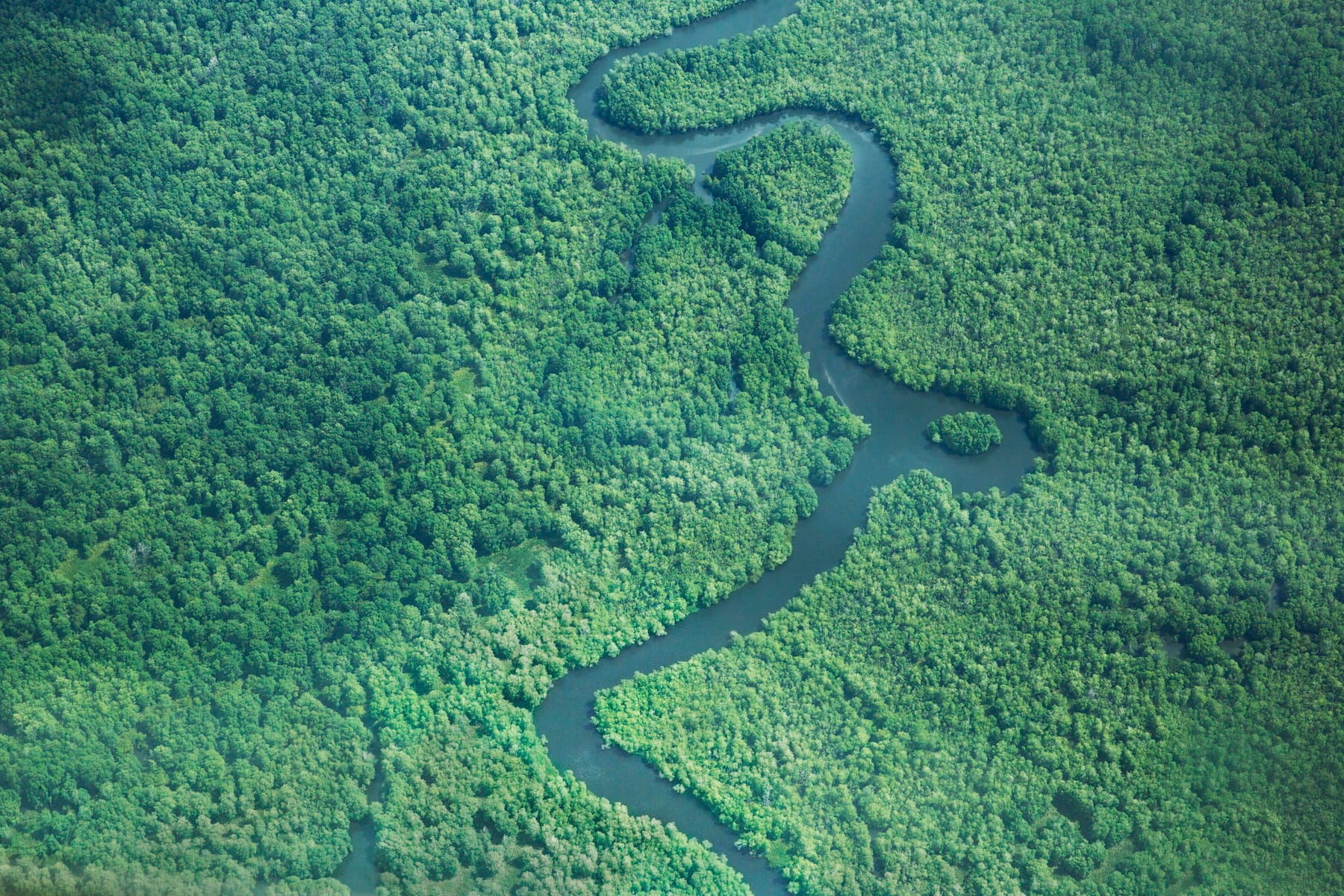
Land that protects rivers, streams, wetlands, or watersheds plays a disproportionate role in ecosystem health.
On Las Oncas land, protecting riparian zones is helping preserve water quality, and maintain wildlife movement corridors. These areas are often used by mammals as natural travel routes.
Buffer zones near existing protected areas
Land adjacent to national parks or officially protected areas increases in conservation value because it acts as a buffer and expansion zone.
In Costa Rica, we specifically targeted land near existing protected zones to reduce edge effects such as deforestation pressure and human disturbance.
2. Legal and zoning reality must be clear
A conservation project fails if the legal framework is misunderstood.
Before purchasing land, verify zoning, environmental restrictions, water rights, and land title clarity. In Costa Rica, environmental regulations can both protect conservation goals and restrict future management options.
Our experience shows that early legal due diligence prevents irreversible mistakes. This is not a theoretical recommendation but a practical one learned through land acquisition processes.
We strongly recommend engaging a qualified local attorney to review all documentation and regulatory implications before closing a transaction. Professional legal guidance helps ensure compliance, clarifies potential liabilities, and reduces the risk of costly errors.
3. Long-Term protection matters more than ownership
Buying land does not automatically protect it. With Las Oncas, land acquisition was only the first step. We implemented long-term conservation mechanisms including legal protection, wildlife monitoring, and ongoing management.
This reflects a broader conservation consensus that land protection must be permanent to be effective.
4. Capacity to implement conservation programs
A reserve becomes meaningful through action.
On our lands, we deployed camera traps, biodiversity monitoring, and habitat restoration programs. When evaluating land, ask whether it can realistically support conservation activities such as monitoring, reforestation, or scientific research.
Accessibility, security, and local community relationships are practical factors that directly affect conservation outcomes.
5. Community and Human Context Cannot Be Ignored
No land exists in isolation. Our conservation work in Costa Rica has shown that collaboration with local communities increases the durability of protection efforts. Land surrounded by hostile or excluded stakeholders is at higher risk in the long term.
Final Thoughts From the Field
Choosing land for conservation is a strategic decision, not an emotional one. Through Las Oncas and Buy Wild, we have learned that conservation impact depends on connectivity, ecological function, and long-term vision.
The most effective conservation reserves are not always the most obvious ones. They are the ones that complete a landscape, protect what is fragile, and connect what has been broken.
This article reflects what we have applied in real conditions, on real land, with real wildlife.
Author: César T.